You spend hard-earned cash on a skin vitamin c serum. You apply it faithfully. Yet—dry patches persist, dark spots refuse to fade, and that “glow” remains a myth. Frustrating? Absolutely. But the problem isn’t your skin. It’s the formula, the application, or worse—the hidden instability no brand wants to admit.
Most Skin Vitamin C Serums Fail Before They Hit Your Skin
L-ascorbic acid—the gold-standard form of vitamin C—is notoriously unstable. Expose it to light, air, or water, and it oxidizes within weeks. Turns yellow. Loses potency. You’re slathering on expensive brown sludge masquerading as skincare.
But here’s the kicker: many brands slap “vitamin C” on labels while using inferior derivatives like magnesium ascorbyl phosphate. These are gentler—but less effective for collagen synthesis and brightening. The math is simple: if it doesn’t sting slightly or feel active, it’s probably not doing much.
How to Choose and Use Skin Vitamin C Serum That Actually Works
Check the Concentration—and the pH
Efficacy peaks between 10–20% L-ascorbic acid. Below 8%? Barely registers. Above 20%? Irritation city with diminishing returns. And pH matters—a true skin vitamin c serum must sit below pH 3.5 to penetrate the stratum corneum. Most drugstore versions hover around pH 5–6. Useless.
Pair It Right—Or Waste It
Vitamin C degrades faster when mixed with niacinamide (unless buffered properly). Avoid layering with AHAs/BHAs in the same routine—they lower skin pH unpredictably. Instead, pair with vitamin E and ferulic acid. This trio boosts stability and doubles photoprotection. Yes, doubles.
Storage Isn’t Optional
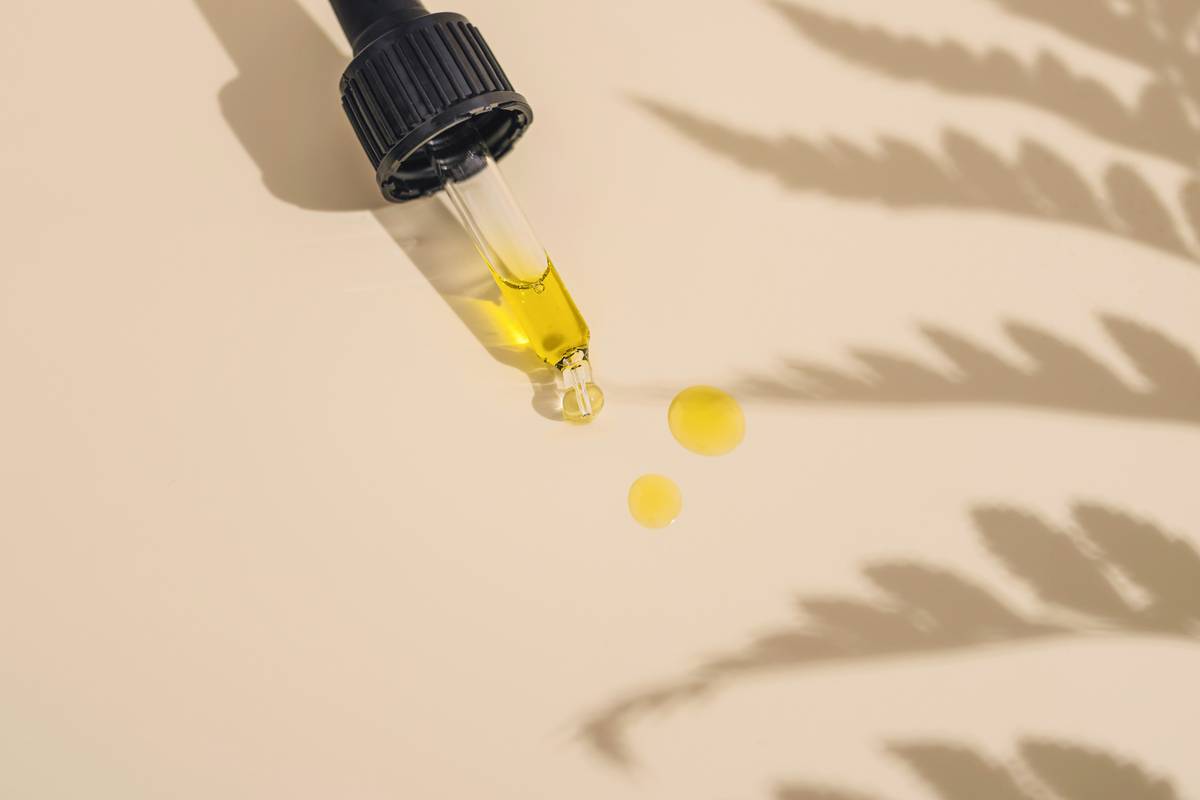
Keep your serum in an opaque, air-tight bottle—preferably with a dropper that minimizes oxygen exposure. Refrigeration? Not necessary, but cool, dark places extend shelf life significantly.
| Factor | Effective Approach | Ineffective Approach |
|---|---|---|
| Form of Vitamin C | L-ascorbic acid (10–20%) | Magnesium ascorbyl phosphate, sodium ascorbyl phosphate |
| pH Level | < 3.5 | > 4.5 |
| Stabilizing Agents | Vitamin E + ferulic acid | None, or water-based formulas |
| Packaging | Opaque, air-tight glass with dropper | Clear plastic bottle, pump dispenser |
The Industry Secret: Freshness Beats Potency Every Time
Here’s what labs won’t tell you: a 15% L-ascorbic serum made last month outperforms a “fresh” 20% batch sitting on shelves for six months. Oxidation isn’t just cosmetic—it renders vitamin C inert. Some boutique labs now use single-dose ampoules or two-part mixing systems (powder + liquid) to guarantee freshness. It’s pricier—but you’re paying for active molecules, not marketing.
Think about it: would you drink orange juice left open overnight? Then why smear oxidized serum on your face daily?
Frequently Asked Questions
Can I use skin vitamin c serum every day?
Yes—if your formula is stable and your skin tolerates it. Start every other day if new to actives.
Does skin vitamin c serum lighten dark spots?
It inhibits melanin production over time. Consistent use for 8–12 weeks shows visible brightening.
Should I apply it in the morning or night?
Morning. It neutralizes free radicals from UV exposure—especially when paired with sunscreen.