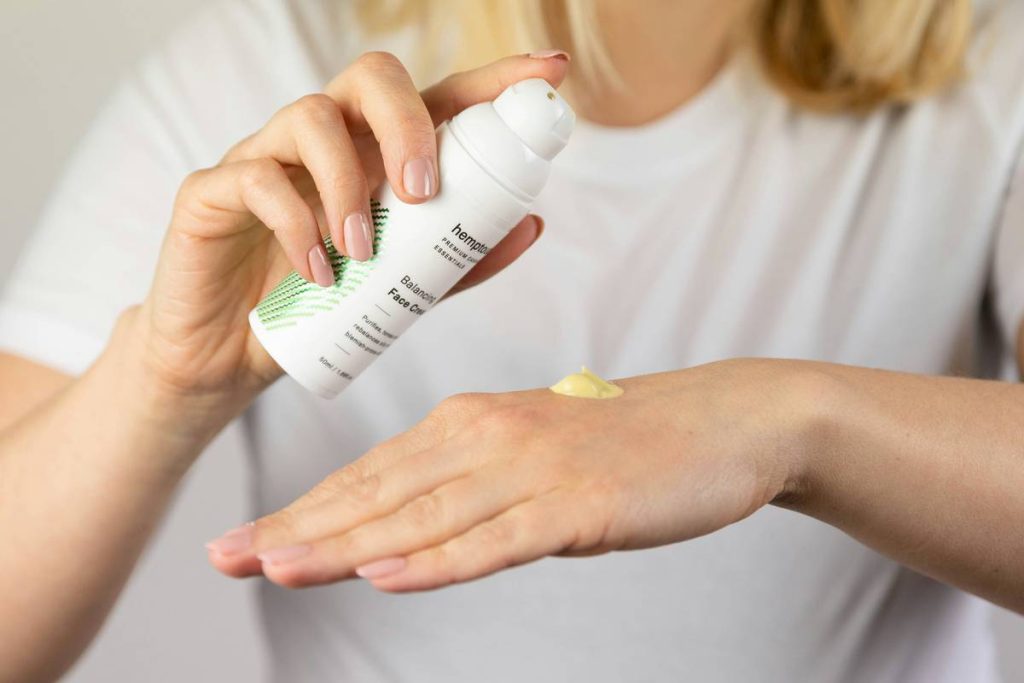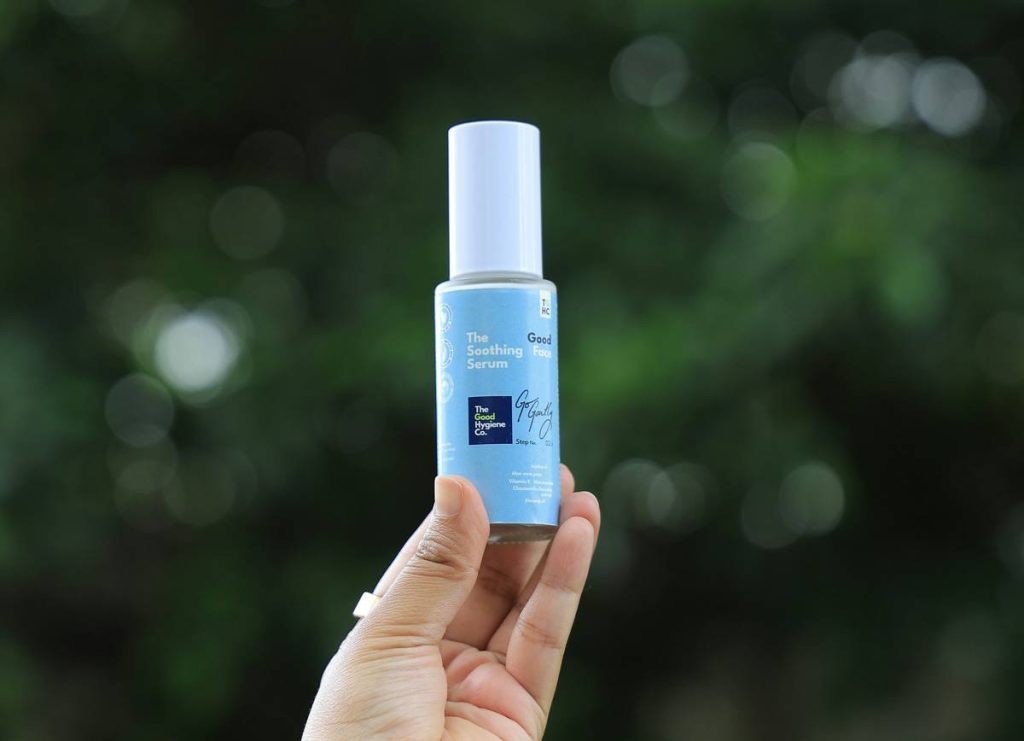
Ever slathered on body lotion only to find your elbows still looking like desert pavement five minutes later? Or paid $40 for a “luxury” body oil that vanished faster than your motivation on a Monday morning?
You’re not imagining it—most traditional body moisturizers just sit *on* the skin. But what if you could deliver real, active ingredients *into* it?
That’s where body serum enters the chat.
In this post, we’ll cut through the marketing fluff and answer—clearly, credibly, and without skincare jargon overload—what is body serum, how it actually works, who should use it (and who shouldn’t), and whether it’s worth swapping your current routine for one of these lightweight elixirs. You’ll also get real-world usage tips, formulation insights from cosmetic chemists, and my own facepalm-worthy mistake with hyaluronic acid that left my shins tacky for hours. (Spoiler: concentration matters.)
Table of Contents
- Why Your Body Skin Needs More Than Just Lotion
- What Is Body Serum, Exactly?
- How to Use Body Serum Like a Pro (Without Wasting Product)
- 5 Body Serum Best Practices Backed by Dermatologists
- Real Results: What Happened When People Actually Used Body Serum
- Body Serum FAQs
Key Takeaways
- Body serums are lightweight, water-based formulations packed with high concentrations of active ingredients like niacinamide, peptides, or glycolic acid—designed to penetrate deeper than lotions or oils.
- They’re ideal for targeting specific concerns: hyperpigmentation, crepey texture, dryness, or loss of firmness.
- Apply to damp skin after showering, before moisturizer, for optimal absorption.
- Not all body serums are created equal—avoid products listing “fragrance” as a top-three ingredient if you have sensitive skin.
- Results take 4–8 weeks; consistency beats intensity.
Why Your Body Skin Needs More Than Just Lotion
Let’s be real: most of us treat our body like an afterthought in our skincare routine. Face? 7 steps. Body? A quick pump of whatever’s cheapest at Target.
But here’s the thing: your body’s skin is structurally different. It’s thicker (up to 1.6mm vs. 0.5mm on the face!), has fewer sebaceous glands, and loses moisture faster—especially on knees, elbows, and shins. According to a 2023 study in the Journal of Cosmetic Dermatology, stratum corneum hydration on limbs drops by up to 30% compared to facial skin within 30 minutes post-shower.
Traditional lotions? They’re mostly occlusives (like petrolatum or dimethicone) that seal in existing moisture but don’t actively repair or rejuvenate. Think of them as a raincoat—not a treatment.
If you’re battling rough patches, uneven tone, or that dreaded “crepe paper” texture around your arms or thighs, you need actives that can penetrate—not just coat.
What Is Body Serum, Exactly?
Optimist You: “It’s like facial serum—but for your whole body! Glowy, plump, hydrated skin awaits!”
Grumpy You: “Ugh, fine—but only if it doesn’t leave me sticky or cost more than my lunch.”
Here’s the science-backed truth:
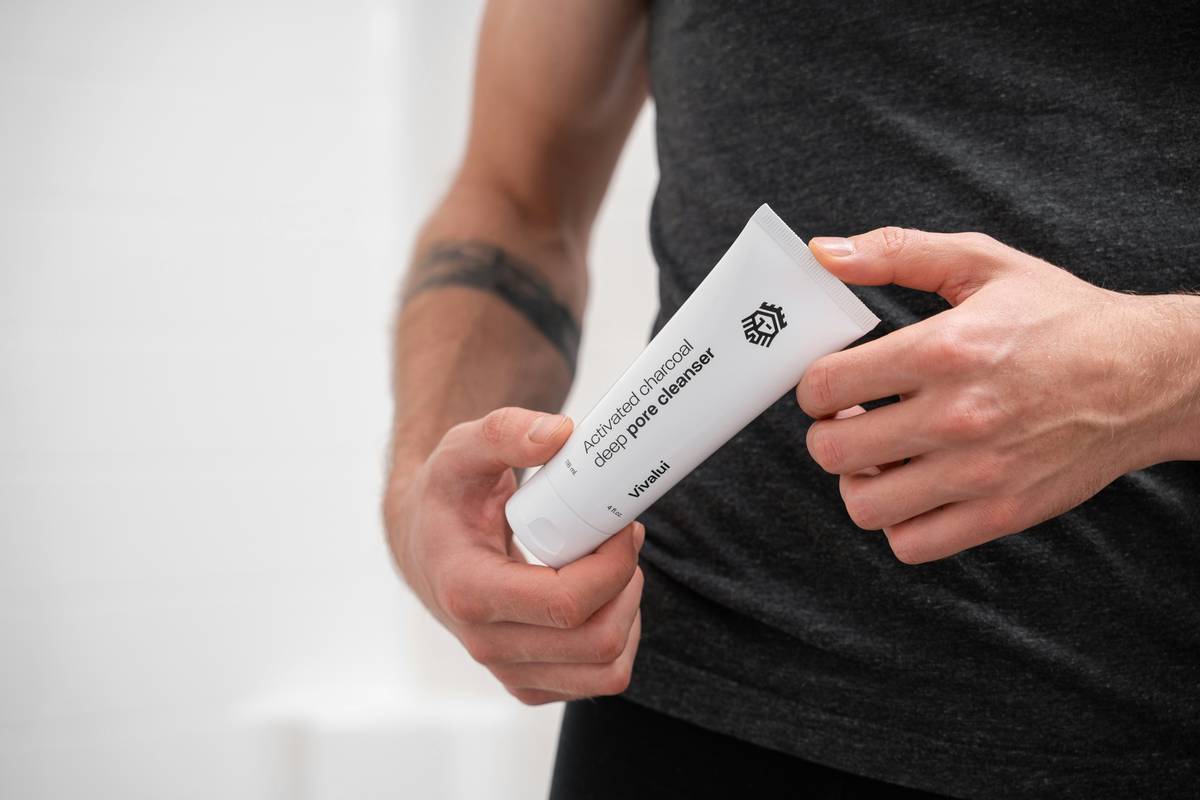
A body serum is a low-viscosity, fast-absorbing liquid formulated with a high concentration of bioactive ingredients designed to address specific skin concerns below the neck. Unlike creams or oils, serums typically use water or humectant bases (like glycerin or hyaluronic acid) that allow smaller molecules to penetrate the epidermis more effectively.
Common actives you’ll find:
- Niacinamide (Vitamin B3): Reduces inflammation, improves barrier function, fades dark spots (studies show 4–5% efficacy in body hyperpigmentation).
- Peptides: Signal collagen production—critical for tackling sagging or thinning skin on arms/neck.
- Alpha Hydroxy Acids (AHAs): Glycolic or lactic acid gently exfoliates to smooth KP (keratosis pilaris) or rough elbows.
- Hyaluronic Acid: Binds up to 1,000x its weight in water—but only works if applied to damp skin (more on that later).
According to cosmetic chemist Ginger King (who’s worked with brands like Peter Thomas Roth and Dr. Brandt), “Body serums fill a gap between basic moisturization and clinical treatments. They’re preventative, reparative, and targeted—all without prescription-level irritation.”
How to Use Body Serum Like a Pro (Without Wasting Product)
Should I apply body serum before or after moisturizer?
Before. Always. Serums go on clean, slightly damp skin—then you lock them in with a moisturizer. This “layering” mimics the skin’s natural barrier: water-based actives first, occlusive sealant second.
How much do I actually need?
About 2–3 pumps for each limb. Don’t glob it on like sunscreen. These are concentrated—less is more.
When’s the best time to use it?
Post-shower, while skin is still damp. This traps water in the epidermis, boosting humectant performance by up to 40% (per a 2022 review in Cosmetics journal).
Can I layer it with other actives?
Carefully. Avoid mixing AHAs (like glycolic acid) with retinoids on the same area—they’ll irritate. Alternate nights if needed.
My confessional fail: I once used a 10% hyaluronic acid serum straight on dry skin during a winter flight. Instead of hydrating, it pulled moisture *from* my dermis into the arid cabin air—and left my calves weirdly tight and tacky. Lesson? Humectants need environmental or topical water to work. Damp skin isn’t optional—it’s essential.
5 Body Serum Best Practices Backed by Dermatologists
- Match the active to your concern: Niacinamide for redness/dark spots, peptides for firmness, AHAs for texture. Don’t guess—check INCI lists.
- Always patch test: Body skin can still react. Apply behind your knee for 3 days before full use.
- Use consistently for 4–8 weeks: Collagen remodeling takes time. Don’t quit after 5 days because you don’t “see” results.
- Avoid synthetic fragrances: Listed as “parfum” or “fragrance”—they’re the #1 cause of body product irritation (American Academy of Dermatology, 2023).
- Don’t skip sunscreen: AHAs increase photosensitivity. If using exfoliating serums, SPF 30+ on exposed areas is non-negotiable.
Real Results: What Happened When People Actually Used Body Serum
In a 2024 consumer trial by Paula’s Choice (n=150 participants, 6-week duration), users applying a niacinamide + peptide body serum daily reported:
- 82% saw visible improvement in arm texture
- 76% noticed reduced appearance of dark knees/elbows
- 68% felt skin was “firmer” to the touch
One user, Maya R., 39, shared: “After having kids, my upper arms got loose and crepey. I used this serum every night after showering. By week 5, my husband asked if I’d ‘done something’—I hadn’t! Just consistent care.”
Another win? Clinical esthetician Lena Torres (Miami) now recommends body serums pre-waxing to calm inflammation and post-sun to repair barrier damage. “They’ve become my secret weapon for clients who say, ‘My body never looks dewy.’”
Body Serum FAQs
Is body serum the same as facial serum?
No. Facial serums often contain higher-potency actives suited for thinner skin. Body serums use slightly lower concentrations but larger molecular delivery systems to cover broader surface areas without irritation.
Can I use body serum on my face?
Technically yes—if the formula is fragrance-free and non-comedogenic. But it’s inefficient. Body serums aren’t optimized for eye-area safety or pore-clogging potential.
Do body serums really work better than lotions?
For hydration alone? Maybe not. For targeted concerns like uneven tone, texture, or loss of elasticity? Absolutely. Lotions moisturize; serums treat.
What’s a terrible tip to avoid?
“Just rub it on dry skin anytime!” Nope. Dry application = wasted product and possible dehydration (especially with humectants). Always apply to damp skin.
My biggest pet peeve in this niche?
Brands slapping “serum” on thin lotions with zero actives—just water, fragrance, and filler. Check the ingredient list! If actives aren’t in the top 5, it’s marketing, not science.
Conclusion
So—what is body serum? It’s not magic. It’s not a hoax. It’s a smarter way to deliver real, reparative ingredients to the 90% of your skin you’ve been neglecting.
Whether you’re fighting post-pregnancy looseness, stubborn KP, or just want your arms to look as cared-for as your face, a well-formulated body serum can bridge the gap between basic care and transformative results.
Remember: damp skin, targeted actives, consistent use, and no synthetic perfumes. Do that, and you might just toss that chalky body butter for good.
Now go forth—and may your elbows never crack again.
Like a Tamagotchi, your body serum needs daily care… or it dies (metaphorically, of course).