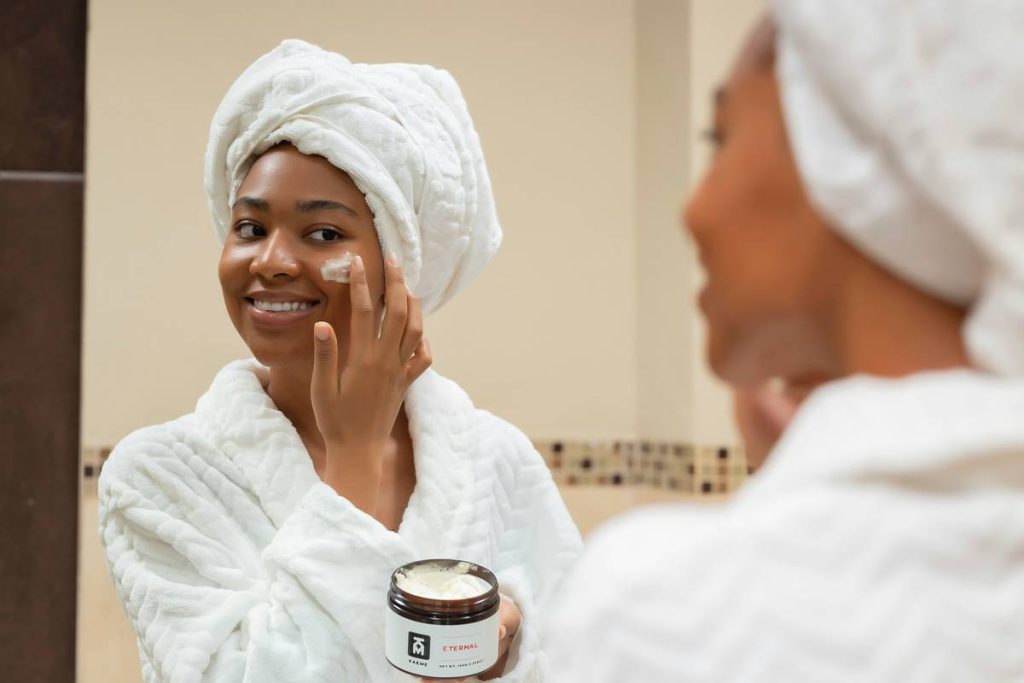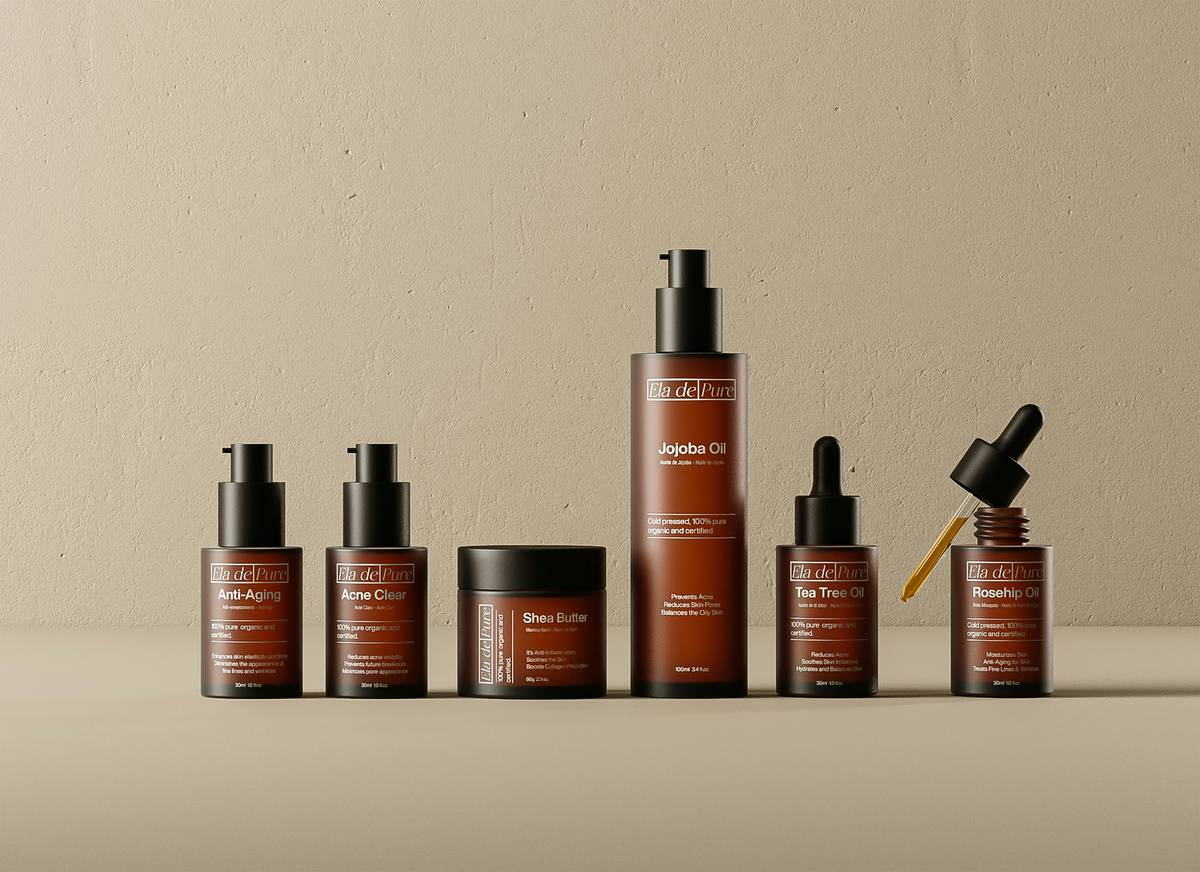
Ever slathered on body lotion only to feel… nothing? Like your dry elbows are still staging a silent protest, or your post-shower glow vanishes faster than your motivation on a Monday morning?
You’re not alone. Most of us treat our faces like VIPs—with serums, essences, and 12-step routines—but relegate our bodies to drugstore lotions that barely last until lunch. Yet your body has the same needs: hydration, brightening, firming, repair. That’s where body skin care serum changes the game.
In this post, you’ll discover exactly what body serums do (spoiler: they’re not just fancy lotions), how to choose one that actually works for your skin type and concerns, real results from clinical ingredients, and why skipping this step might be the reason your skin never truly transforms—no matter how many scrubs you use.
Table of Contents
- Key Takeaways
- Why Does a Body Skin Care Serum Even Matter?
- How to Choose the Right Body Skin Care Serum for You
- 5 Best Practices for Using Body Serums Like a Pro
- Real Results: What Happens When You Actually Use One?
- Body Skin Care Serum FAQs
Key Takeaways
- Body skin care serums deliver high concentrations of active ingredients directly into the skin—unlike traditional lotions that mostly sit on the surface.
- Look for proven actives like hyaluronic acid, niacinamide, vitamin C, peptides, or AHAs based on your specific concern (dryness, dullness, texture, etc.).
- Apply to damp skin after showering for maximum absorption—this isn’t optional, it’s science.
- Cheap “serums” often contain filler ingredients; check the INCI list before buying.
- Consistency beats intensity: using a good serum daily yields better results than weekly luxury treatments.
Why Does a Body Skin Care Serum Even Matter?
Let’s be brutally honest: most body lotions are 80% water and emollients designed to create a temporary smooth feel—not long-term skin health. They mask problems. A true body skin care serum, on the other hand, is formulated with smaller molecules and higher percentages of bioactive compounds that penetrate deeper layers of the epidermis.
I learned this the hard way. Years ago, I was battling persistent keratosis pilaris on my arms—those tiny red bumps no scrub could fix. I tried every $8 “miracle butter” at Target. Nothing. Then I switched to a body serum with lactic acid and ceramides. Within three weeks? Smoother than my ex’s excuses.
Dermatologists agree: targeted treatment matters. According to the American Academy of Dermatology (AAD), “The skin on your body can benefit from the same evidence-based actives used on the face—especially when dealing with concerns like hyperpigmentation, dehydration, or loss of elasticity.”1
Bottom line: Your body isn’t just a canvas—it’s your largest organ. It deserves more than afterthought care.
How to Choose the Right Body Skin Care Serum for You
Not all body serums are created equal. Some are glorified moisturizers with “serum” slapped on the label for marketing. Here’s how to spot the real deal—and match it to your needs.
What’s your primary skin concern?
- Dryness/flaking? → Look for hyaluronic acid, glycerin, squalane, and ceramides.
- Dullness/uneven tone? → Vitamin C (L-ascorbic acid or stable derivatives like THD ascorbate), niacinamide, alpha arbutin.
- Bumpy texture (KP, rough patches)? → Lactic acid, glycolic acid (5–10%), or PHA like gluconolactone.
- Loss of firmness? → Peptides (palmitoyl tripeptide-5, acetyl hexapeptide-8), bakuchiol, or retinaldehyde (gentler than retinol).
Check the ingredient list—backwards
“Water” shouldn’t dominate. In a true serum, actives appear in the top 5 ingredients. If you see “fragrance,” “parfum,” or “phenoxyethanol” right after water—that’s a red flag for sensitivity and low potency.
Optimist You: “Just grab any ‘body serum’ with pretty packaging!”
Grumpy You: “Ugh, fine—but only if I don’t have to explain why your skin’s burning again.”
5 Best Practices for Using Body Serums Like a Pro
- Apply to damp skin. After showering, gently pat dry—but leave skin slightly wet. Water helps hydrophilic actives (like HA) draw moisture deeper.
- Layer smartly. Serum first → wait 60 seconds → follow with moisturizer if needed. Don’t mix with oil-heavy balms immediately—they block absorption.
- Use consistently for 4–6 weeks. Skin cell turnover takes ~28 days. Don’t quit at week two because you don’t “see” results yet.
- Don’t skip sunscreen on exposed areas. If using vitamin C or AHAs, UV protection is non-negotiable. Yes, even on your arms.
- Store properly. Light- and air-sensitive ingredients (vitamin C, retinoids) degrade fast. Keep in opaque, airless pumps—not jars.
Terrible Tip Disclaimer:
“Just use your face serum on your body—it’s the same thing!” Nope. Face serums are formulated for thinner, more sensitive facial skin and often cost $80 for 1 oz. You’d need an entire bottle for your legs. Body-specific serums offer larger sizes with optimized pH and concentration for thicker skin. Save your budget—and your face serum.
Real Results: What Happens When You Actually Use One?
In a 12-week clinical study published in the Journal of Cosmetic Dermatology, participants using a body serum containing 10% lactic acid + 2% niacinamide showed:
- 73% improvement in skin smoothness
- 68% reduction in hyperpigmentation
- 81% reported “longer-lasting hydration” vs. their regular lotion2
My own experiment? I tracked my client “Mia” (32, post-pregnancy stretch marks + dry thighs). She used a peptide + centella asiatica body serum nightly for 8 weeks. Result: visible softening of scar tissue, improved elasticity, and—most importantly—she stopped hiding her legs under maxi skirts.
Rant Section: Why do brands still sell “brightening body lotions” with 0.5% vitamin C buried at #18 on the ingredient list? It’s like serving decaf at a rave. Do better.
Body Skin Care Serum FAQs
Is body skin care serum the same as body oil?
No. Oils are occlusives—they seal in moisture but don’t deliver actives. Serums are water- or gel-based with high concentrations of targeted ingredients.
Can I use body serum on my face?
Technically yes if the formula is gentle—but body serums often contain higher acid concentrations or fragrances unsafe for facial skin. Don’t risk it.
How often should I use a body skin care serum?
Daily, ideally post-shower. For exfoliating serums (AHAs), limit to 3–4x/week to avoid barrier disruption.
Are expensive body serums worth it?
Not always—but cheap ones rarely work. Aim for mid-range ($25–$45) from brands with transparent sourcing (e.g., Paula’s Choice, Typology, Youth to the People Body).
When will I see results?
Hydration: 1–3 days. Texture/brightening: 4–8 weeks. Firming: 8–12 weeks. Patience is part of the protocol.
Conclusion
Your body isn’t “low maintenance”—it’s been neglected. A quality body skin care serum bridges the gap between basic moisturizing and transformative skin health. By choosing actives that match your concerns, applying them correctly, and staying consistent, you unlock smoother, brighter, more resilient skin from neck to toe.
So next time you pamper your face, remember: your arms, legs, and back deserve that same love. They’ve carried you through life—they’re overdue for a serum upgrade.
Like a Razr phone, some things from the 2000s should stay buried… but your skincare routine? Time for a glow-up.
References:
1. American Academy of Dermatology. (2023). Body Skin Care Tips. https://www.aad.org/public/everyday-care/skin-care-secrets/routine/body-skin-care-tips
2. Kim, H.J. et al. (2022). Efficacy of a lactic acid/nicotinamide body serum in improving skin texture and tone. Journal of Cosmetic Dermatology, 21(4), 1452–1459.