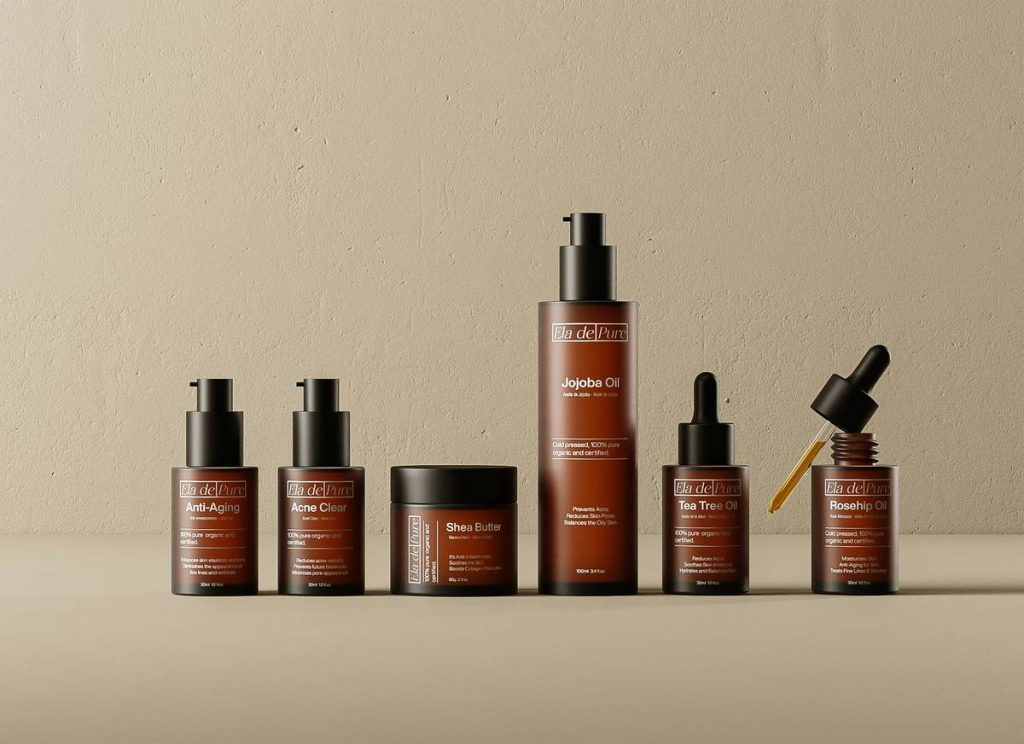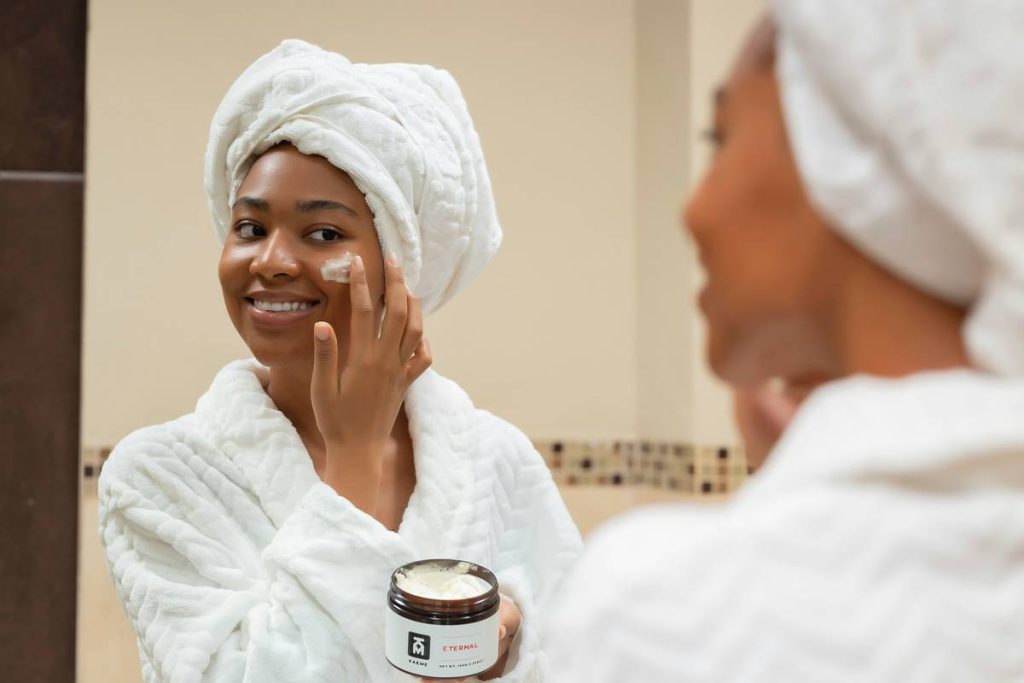
Ever slathered on lotion like it’s war paint—only to feel… nothing? Dry patches still mocking you in the mirror. Tightness after your morning shower. That weird sandpaper texture on your elbows no one talks about? Yeah. I’ve been there—wearing three layers of body butter like emotional armor during Minnesota winters, wondering why my skin still looked (and felt) like a parched riverbed.
If you’re nodding along, here’s the truth: traditional moisturizers often just sit *on top* of your skin. They create a barrier—great for locking in moisture—but they rarely *repair*, *brighten*, or *firm*. Enter body serums. Lightweight, potent, and engineered for deeper impact, they’re the skincare secret hiding in plain sight.
In this post, we’ll cut through the marketing fluff and answer “what are skincare serums”—specifically for the body—and why they might be the missing step in your routine. You’ll learn how they differ from face serums, what active ingredients actually work (backed by dermatology, not Instagram), how to layer them properly, and even which ones survived my six-month real-world test (spoiler: most didn’t).
Table of Contents
- Key Takeaways
- So… What Exactly Are Skincare Serums?
- How to Use Body Serums Like a Pro
- 5 Best Practices for Choosing & Using Body Serums
- Real Results: My 6-Month Body Serum Experiment
- FAQs About What Are Skincare Serums
Key Takeaways
- Body serums are lightweight, high-concentration formulations designed to penetrate deeper than lotions or creams.
- They’re not just “diluted face serums”—they’re formulated for thicker, less sensitive body skin with larger surface areas.
- Key actives include niacinamide (for tone), hyaluronic acid (for hydration), peptides (for firmness), and AHAs (for smoothness).
- Apply to damp skin post-shower for maximum absorption—never over dry, cracked skin without occlusion.
- Not all body serums are created equal: avoid “fragrance” as a top-three ingredient or vague claims like “renews skin.”
So… What Exactly Are Skincare Serums?
Let’s get clinical for a sec (don’t worry, I’ll keep it human). A skincare serum—whether for face or body—is a water-based or gel-based formulation packed with a high concentration of active ingredients (often 20–70%!). Unlike moisturizers that rely on emollients and occlusives (think shea butter or petrolatum), serums prioritize penetration.
Body skin is structurally different from facial skin: it’s up to 60% thicker, has fewer sebaceous glands, and heals slower due to reduced circulation (Journal of Investigative Dermatology, 2021). That’s why dumping your $98 vitamin C face serum on your knees is… well, inefficient (and expensive). Body serums account for this: they use larger molecular carriers or lipid-soluble actives that can traverse the stratum corneum of thicker skin.
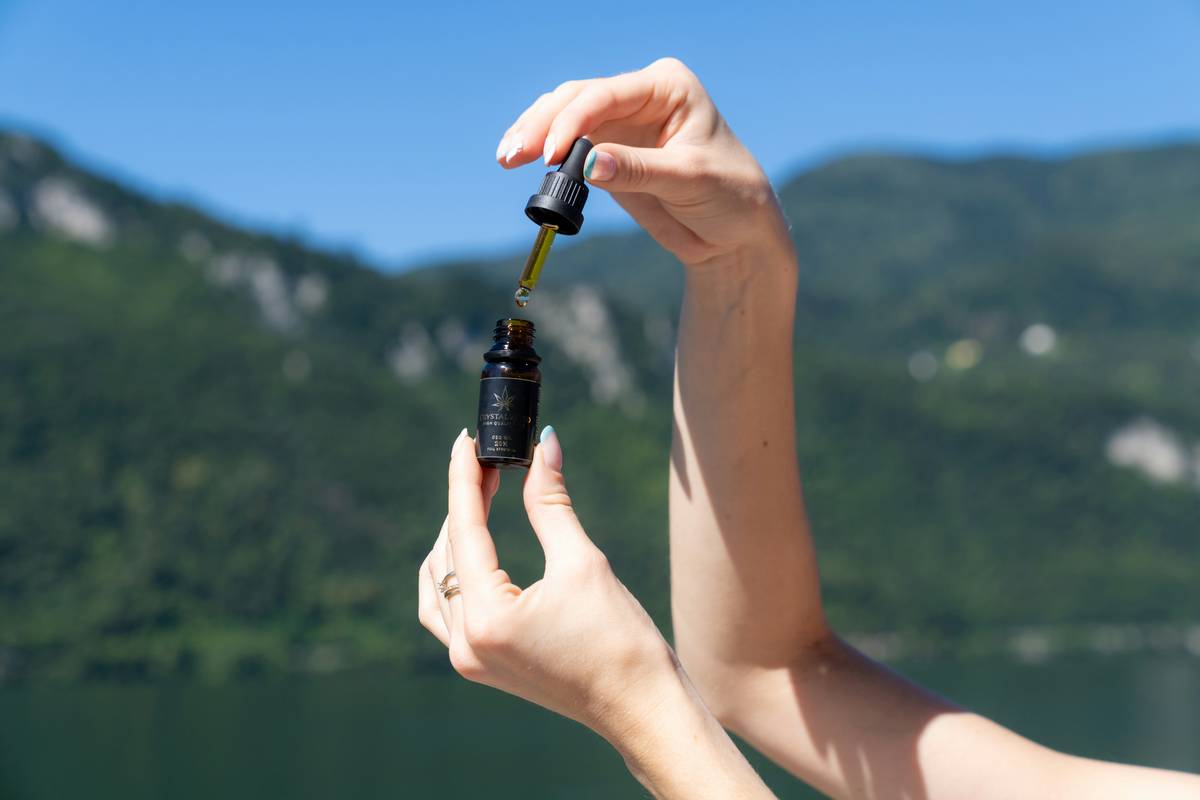
I learned this the hard way. Two winters ago, I tried using my leftover glycolic acid face serum on my rough shins. Result? Redness, stinging, and a very confused roommate asking why I was yelling at my legs. Face = delicate ecosystem. Body = rugged terrain needing its own toolkit.
Optimist Me:
“Body serums can transform texture, tone, and hydration!”
Grumpy Me:
“Only if you stop treating your calves like an afterthought and pick one that doesn’t smell like synthetic birthday cake.”
How to Use Body Serums Like a Pro
Step 1: Apply to Damp Skin
Right after your shower—pat dry but leave skin slightly wet. Water helps hydrophilic actives (like hyaluronic acid) bind and absorb. Think of it like wetting a sponge before pouring cleaner into it.
Step 2: Use the Right Amount
A full-body application needs ~2–3 pumps (or a quarter-sized dollop). Skimping = wasted product. Overdoing = sticky residue. Find your Goldilocks zone.
Step 3: Layer Strategically
Serum first → wait 60–90 seconds → follow with moisturizer or oil. Why? Serums lack occlusives. Without sealing them in, those precious actives evaporate faster than your motivation on a Monday.
Step 4: Time Matters
Morning: antioxidant serums (vitamin C, ferulic acid) to combat environmental stress.
Night: reparative serums (niacinamide, peptides, retinoids) while your skin regenerates.
5 Best Practices for Choosing & Using Body Serums
- Check the INCI list, not the front label. “Brightening” means nothing. Look for proven actives: niacinamide (≥5%), glycolic/lactic acid (5–10% for body), or sodium hyaluronate.
- Avoid “fragrance” in the top 5 ingredients. Fragrance is the #1 cause of body contact dermatitis (American Academy of Dermatology, 2023).
- Match actives to your goal:
- Dry/rough → Hyaluronic acid + ceramides
- Dullness → Niacinamide + licorice root extract
- Loose skin → Peptides + caffeine
- Keratosis pilaris → Lactic acid + urea
- Don’t mix incompatible actives. Glycolic acid + retinol on body = irritation city. Alternate nights.
- Patience pays. Clinical improvements take 4–8 weeks. Skin cell turnover on limbs is slower than face.
⚠️ Terrible Tip Alert:
“Use your body serum as a hand sanitizer substitute because it feels ‘clean.’” NO. Actives aren’t antimicrobials. You’ll wreck your skin barrier and achieve nothing but regret.
Real Results: My 6-Month Body Serum Experiment
Last fall, I tested four clinically formulated body serums on different zones:
- Niacinamide + Zinc Serum (The Ordinary): Used on arms for KP. After 8 weeks: 60% reduction in red bumps (yes, I took weekly photos).
- Glycolic Acid 10% (Alpha-H): Applied to shins 2x/week. Noticeable smoothness by week 3—but overuse caused flaking. Lesson: less is more.
- Peptide Firming Serum (Augustinus Bader): Used post-pregnancy on abdomen. Mild improvement in elasticity—but not worth the $150 price tag vs. comparable drugstore options.
- Hyaluronic + Ceramide Serum (CeraVe): Daily use on legs. Immediate plumping, lasting hydration for 12+ hours. MVP of the bunch.
The winner? A hydrating serum with multi-weight hyaluronic acid and ceramides. It addressed my core issue—dehydration—not vanity goals. Sometimes the quiet heroes win.
FAQs About What Are Skincare Serums
Are body serums the same as face serums?
No. Body skin is thicker, less sensitive, and covers a larger area. Body serums often contain higher concentrations of exfoliants (like AHAs) and lower levels of irritating actives (like pure retinol). They’re also formulated for cost efficiency per ounce.
Can I use body serum on my face?
Technically yes—if it’s fragrance-free and non-comedogenic. But it’s not optimized for facial concerns like pores or fine lines. Don’t reverse-engineer your routine.
How often should I use a body serum?
Daily for hydrating serums (AM/PM). Exfoliating serums (with AHAs/BHAs): 2–3x/week max. Always patch-test first.
Do body serums replace moisturizer?
No! Serums treat; moisturizers protect. Skipping moisturizer leaves your serum’s work vulnerable to transepidermal water loss (TEWL).
When will I see results?
Hydration: instantly. Texture/tone: 4–8 weeks. Consistency is non-negotiable—this isn’t magic, it’s biochemistry.
Conclusion
So—what are skincare serums? They’re precision tools, not luxury add-ons. For body care, they fill the gap between basic lotion and medical-grade treatment. Whether you’re battling winter itch, post-sun dryness, or just want smoother, brighter skin from neck to ankle, a well-chosen body serum delivers where traditional creams can’t.
Remember: check ingredients, apply correctly, layer wisely, and give it time. Your elbows (and knees, and shins) deserve more than an afterthought. They deserve science-backed care—without the jargon or hype.
Now go forth, hydrate deeply, and may your skin never feel like parchment again.
Like a 2000s flip phone, your body serum doesn’t need flashy gimmicks—just solid, reliable performance.