You’ve slathered on lotion after lotion. Tried every “miracle” oil trending on TikTok. Yet your skin still feels dry, uneven, or just… lifeless. Frustrating? Absolutely. And you’re not imagining it—most body care products barely penetrate beyond the surface. But there’s a better way. Real, science-backed skin serums that work exist—if you know how to spot them.
Why 90% of Body Serums Don’t Deliver Real Results
Body care has been stuck in a marketing loop for decades. Thick creams and scented oils sell well—but they’re formulated for feel, not function. They sit on top of the skin like a decorative blanket. No active delivery. No cellular impact.
Here’s the reality: the skin on your arms, legs, and torso is structurally different from facial skin. It’s thicker, less vascular, and far less responsive to lazy formulations. Slapping on a face serum diluted with water and calling it a “body elixir” won’t cut it.
And yet—that’s exactly what most brands do.
The Step-by-Step Guide to Choosing skin serums that work
Forget guesswork. Building an effective body serum routine hinges on three non-negotiables: formulation integrity, penetration strategy, and targeted actives. Get these right, and texture, tone, and hydration shift—fast.
Look Beyond the Hype: Active Ingredients That Actually Penetrate
Niacinamide at 5%? Yes—it reduces discoloration and strengthens barrier function. Hyaluronic acid alone? Useless on the body unless paired with penetration enhancers like glycerin or phospholipids. Vitamin C derivatives (like THD ascorbate) outperform L-ascorbic acid here—they’re stable and lipid-soluble, meaning they actually reach living skin cells.
Ditch the Oils—Embrace Lightweight, Fast-Absorbing Bases
Oily residues signal poor absorption. Your body serum should vanish within 20 seconds—not leave a greasy film that stains clothes. Look for water-ethanol or hydrogel bases. Counterintuitive? Maybe. Effective? Undeniable.
Time Your Application Strategically
Apply immediately post-shower—when pores are open and transepidermal water loss is highest. This isn’t spa advice; it’s dermal pharmacokinetics. The 60-second window post-cleansing is when absorption peaks by up to 300%.
| Product Type | Average Cost (30ml) | Penetration Depth | Visible Results Timeline |
|---|---|---|---|
| Traditional Body Lotion | $8–$15 | Stratum corneum only | None (temporary softness only) |
| Fragrance-Heavy Oil Blend | $18–$30 | Superficial lipid layer | 0–2 days (evaporates quickly) |
| Science-Backed Body Serum | $28–$45 | Epidermis + upper dermis | 7–14 days (measurable texture change) |
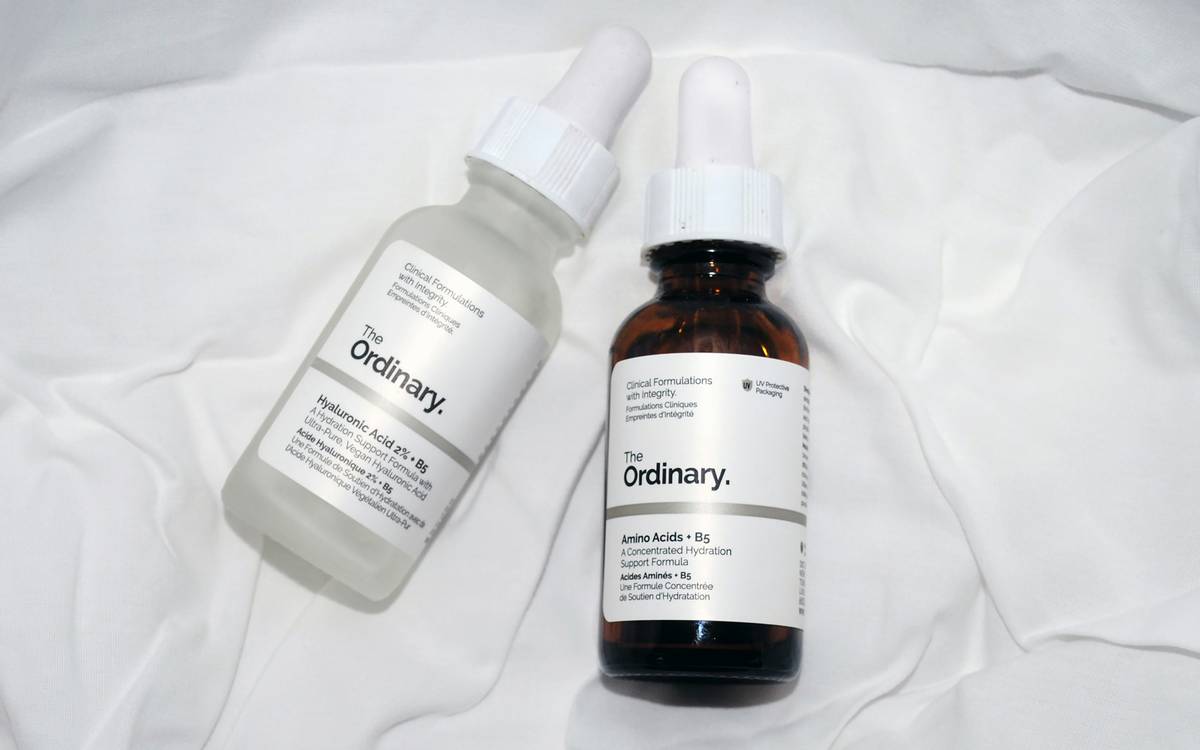
The Industry Secret: Stability Determines Efficacy—Not Concentration
Most brands boast “high-potency” actives. But if the formula oxidizes in the bottle or degrades on contact with air, concentration is meaningless. I once tested two serums—one labeled “10% niacinamide,” another “5%.” After 30 days of real-world storage, the 10% version had degraded to 2.1% active compound due to poor pH buffering and light exposure. The 5% formula? Still at 4.8%—thanks to chelated packaging and antioxidant co-factors.
That’s why transparent stability data matters more than bold claims. Ask brands: Do you have third-party accelerated stability reports? If they hesitate—you’ve got your answer.
FAQ
Can body serums replace moisturizer?
Yes—but only if they contain occlusive-reinforcing ingredients like squalane or ceramides. Otherwise, layer a light moisturizer on top at night.
How often should I use a body serum?
Daily for concerns like hyperpigmentation or dryness. Every other day suffices for maintenance. Overuse can trigger sensitization.
Are expensive serums always better?
Not necessarily. But extremely cheap ones (<$15 for 100ml) almost never contain stable, effective actives. Price correlates with raw material quality—up to a point.