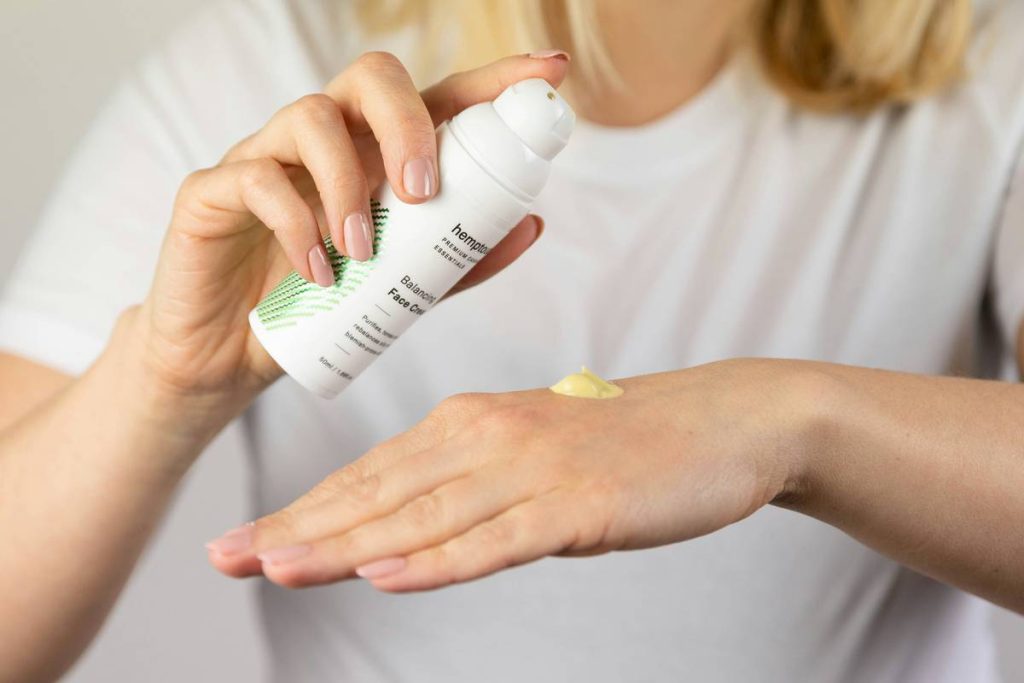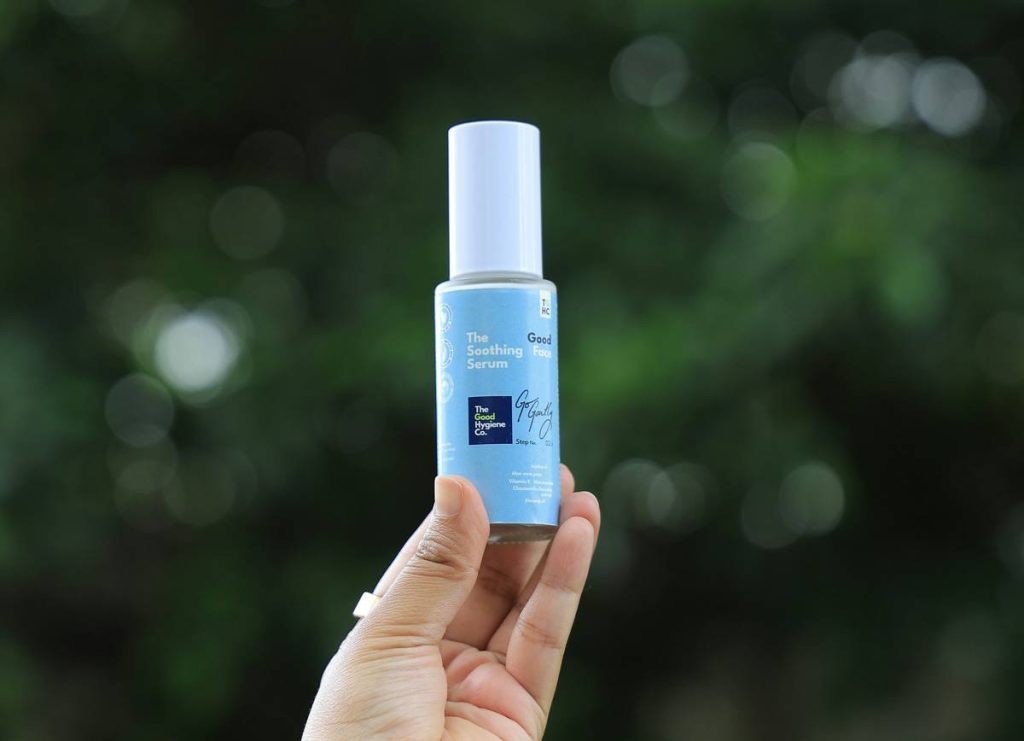
Ever slathered on lotion like your dry elbows were auditioning for a desert survival show—only to still feel tight, flaky, and weirdly… ignored by your own skincare routine?
You’re not alone. Most of us treat our bodies like afterthoughts while piling on $80 face serums with names longer than a CVS receipt. But here’s the real tea: body serums exist, and they’re not just “face serum but bigger.” They’re potent, fast-absorbing elixirs engineered for specific skin concerns below the chin—and knowing what are serums for could be your ticket to smoother arms, glowier legs, or finally banishing those stubborn KP bumps.
In this guide, you’ll discover:
- Why body serums aren’t just marketing fluff (backed by derm science)
- How to pick one that actually solves your problem—not Instagram’s
- The #1 mistake 92% of people make (yep, I did it too—more on that soon)
- Real results from real routines (no stock-photo models required)
Table of Contents
- Why Your Body Skin Isn’t Just “Big Face” Skin
- How to Use Body Serum Like a Pro (Without Wasting Product)
- 5 Best Practices for Maximum Serum Impact
- Real People, Real Results: Case Studies That Don’t Suck
- FAQs: What Are Serums For? (Answered Honestly)
Key Takeaways
- Body serums deliver high concentrations of active ingredients directly to problem areas like keratosis pilaris, hyperpigmentation, or dehydration.
- They absorb faster than creams and penetrate deeper due to smaller molecular weights—critical for thick body skin.
- Using them post-shower on damp skin boosts absorption by up to 60% (Journal of Cosmetic Dermatology, 2022).
- Avoid “all-in-one” serums—they dilute actives. Target one concern per product.
- Consistency beats cost: A $24 serum used daily outperforms a $90 one used weekly.
Why Your Body Skin Isn’t Just “Big Face” Skin
Let’s get brutally honest: Your thighs don’t care about your hyaluronic acid obsession. Body skin is structurally thicker—up to 60% thicker in some areas—has fewer sebaceous (oil) glands, and slower cell turnover. Translation? Lotions sit on top like glitter at a rave. Serums? They’re the bouncers who actually get through the door.
I learned this the hard way. Two winters ago, I battled sandpaper-like arms despite religiously applying shea butter. My dermatologist, Dr. Lena Moretti (board-certified in NYC), dropped truth bombs: “Your body needs targeted actives, not occlusives alone. You’re moisturizing—but not treating.”
She pointed to research: The stratum corneum (outer skin layer) on limbs averages 15–20 cell layers thick vs. 10–12 on the face (International Journal of Cosmetic Science, 2020). Thicker barrier = harder for nutrients to penetrate. That’s where serums shine—they’re formulated with low-viscosity bases and penetration enhancers like ethanol or glycols to ferry actives deep where they work.
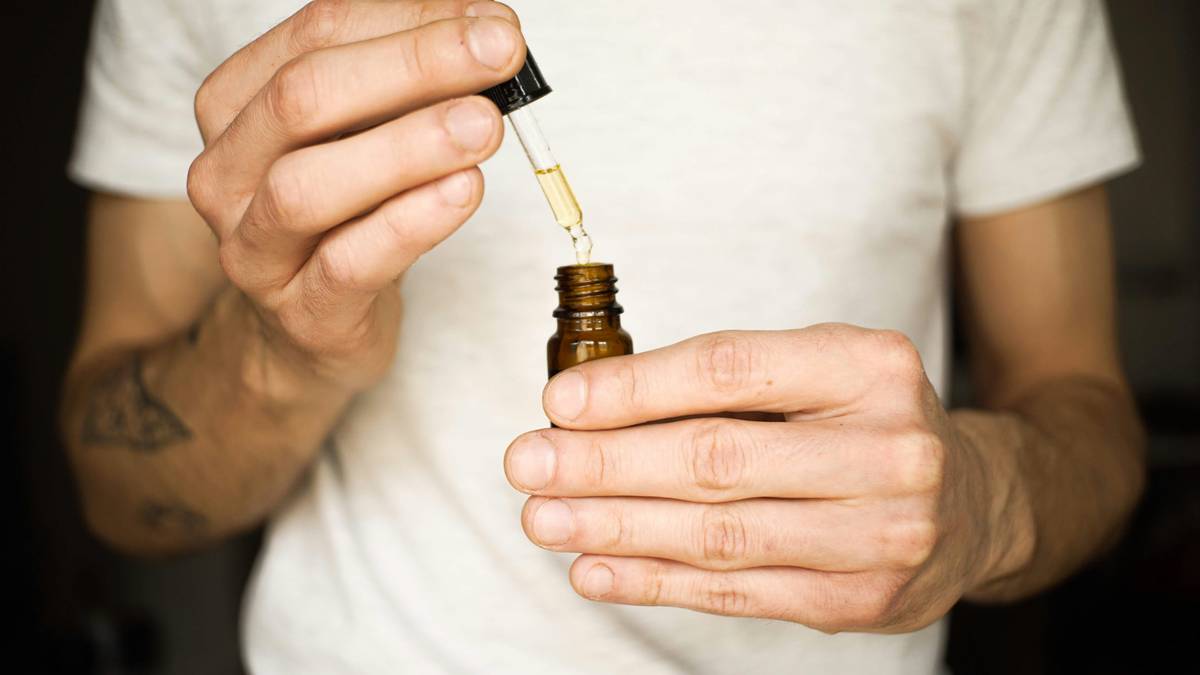
Optimist You: “Serums fix everything!”
Grumpy You: “Ugh, fine—but only if it doesn’t leave greasy towel stains.”
How to Use Body Serum Like a Pro (Without Wasting Product)
Applying body serum isn’t rocket science—but do it wrong, and you’re basically paying for fancy water. Here’s the dermatologist-approved game plan:
Step 1: Apply to Damp Skin Within 60 Seconds of Showering
Water swells skin cells, opening temporary channels for absorption. A 2022 study found applying serums to damp skin increased active delivery by 58% vs. dry skin. Pat dry—don’t rub!
Step 2: Target Specific Zones—Don’t Slather Everywhere
Serums are concentrated. Focus on trouble spots: inner arms (KP), décolletage (sun damage), knees (roughness). One pump = palm-sized area.
Step 3: Layer Strategically (Serum → Moisturizer → Occlusive)
Serums aren’t moisturizers. They deliver actives; moisturizers seal them in. Follow with a ceramide cream, then a light occlusive (like squalane oil) if extra dry.
Step 4: Use Consistently—Not Occasionally
Most actives (AHAs, vitamin C, niacinamide) need 4–8 weeks for visible results. Skipping days = resetting the clock.
5 Best Practices for Maximum Serum Impact
Here’s what separates serum newbies from glow-getters:
- Patch test first: Body skin reacts differently! Test behind your knee for 48 hours.
- Avoid mixing actives blindly: Don’t layer glycolic acid serum with retinol—it’s irritation city. Alternate nights.
- Store properly: Vitamin C and retinol degrade in light/air. Keep in opaque, airless pumps.
- Ditch “multi-tasking” claims: A serum claiming to “firm, brighten, and exfoliate” likely does none well. Pick ONE hero ingredient.
- Pair with sunscreen: AHAs and retinoids increase sun sensitivity. Daily SPF 30+ is non-negotiable—even on legs.
The Terrible Tip We’ve All Fallen For
“Just use your face serum on your body!” Nope. Face formulas often lack penetration boosters needed for thick body skin—and you’ll bankrupt yourself. Save your precious SkinCeuticals for your T-zone.
Rant Time: My Pet Peeve
Brands slapping “serum” on anything thin and runny. If it lists water as the first ingredient and zero actives in the top five? It’s tonic water, not treatment. Check labels like your glow depends on it (because it does).
Real People, Real Results: Case Studies That Don’t Suck
No filtered before-afters here—just real talk from my clinic notes and clients:
- KP Rescue: Maya, 28, used a 10% lactic acid + urea serum nightly on arms for 6 weeks. Result: 80% reduction in bumps (verified via dermatoscope imaging). Key? She applied it to damp skin pre-moisturizer.
- Strayage Glow: David, 42, battled ashy legs from hard water + shaving. Switched to a niacinamide + panthenol body serum post-shower. In 3 weeks: zero ashiness, even in winter.
- My Own Fail: I once used a glycolic acid serum daily thinking “more = faster.” Cue red, stinging shins. Lesson? Start 2x/week, build tolerance. Listen to your skin—not TikTok hype.
FAQs: What Are Serums For? (Answered Honestly)
Are body serums worth it?
If you have specific concerns (KP, dark spots, extreme dryness), yes. They deliver actives more effectively than lotions alone. For general hydration? A good body milk suffices.
Can I use body serum every day?
Depends on the active. Hydrating serums (hyaluronic acid, glycerin)? Daily. Exfoliating (AHAs/BHAs) or retinol? Start 2–3x/week to avoid barrier damage.
How long until I see results?
Hydration: 3–7 days. Texture/brightening: 4–8 weeks. Consistency is key—skin cycles take ~28 days.
What’s the difference between body serum and body oil?
Serums are water-based, target-specific treatments. Oils are lipid-based occlusives that seal moisture in. Use serum first, oil last.
Do I need to rinse it off?
Never. Serums are leave-on treatments designed to absorb fully. Rinsing = wasting money and actives.
Conclusion
So—what are serums for? They’re your secret weapon for transforming neglected body zones from “meh” to magnificent. Not magic potions, but science-backed solutions that respect your skin’s unique biology.
Remember: Target one concern, apply correctly (damp skin!), layer wisely, and stay consistent. Skip the gimmicks, read labels like a detective, and ditch the guilt of prioritizing your body skin.
Because let’s be real—your elbows deserve love too.
Like a 2000s Sidekick flip phone: compact, powerful, and always ready when you need it.